Low Water Pressure? 7 Causes in Older Connecticut Homes
Nothing is more frustrating than a shower that reduces to a trickle when someone turns on the kitchen sink or starts the washing machine. In Connecticut's older housing stock, low water pressure is a widespread issue that signals hidden plumbing restrictions.
Here are the 7 most common culprits behind low water pressure in Fairfield and New Haven County homes.
1. Corroded Galvanized Steel Supply Pipes
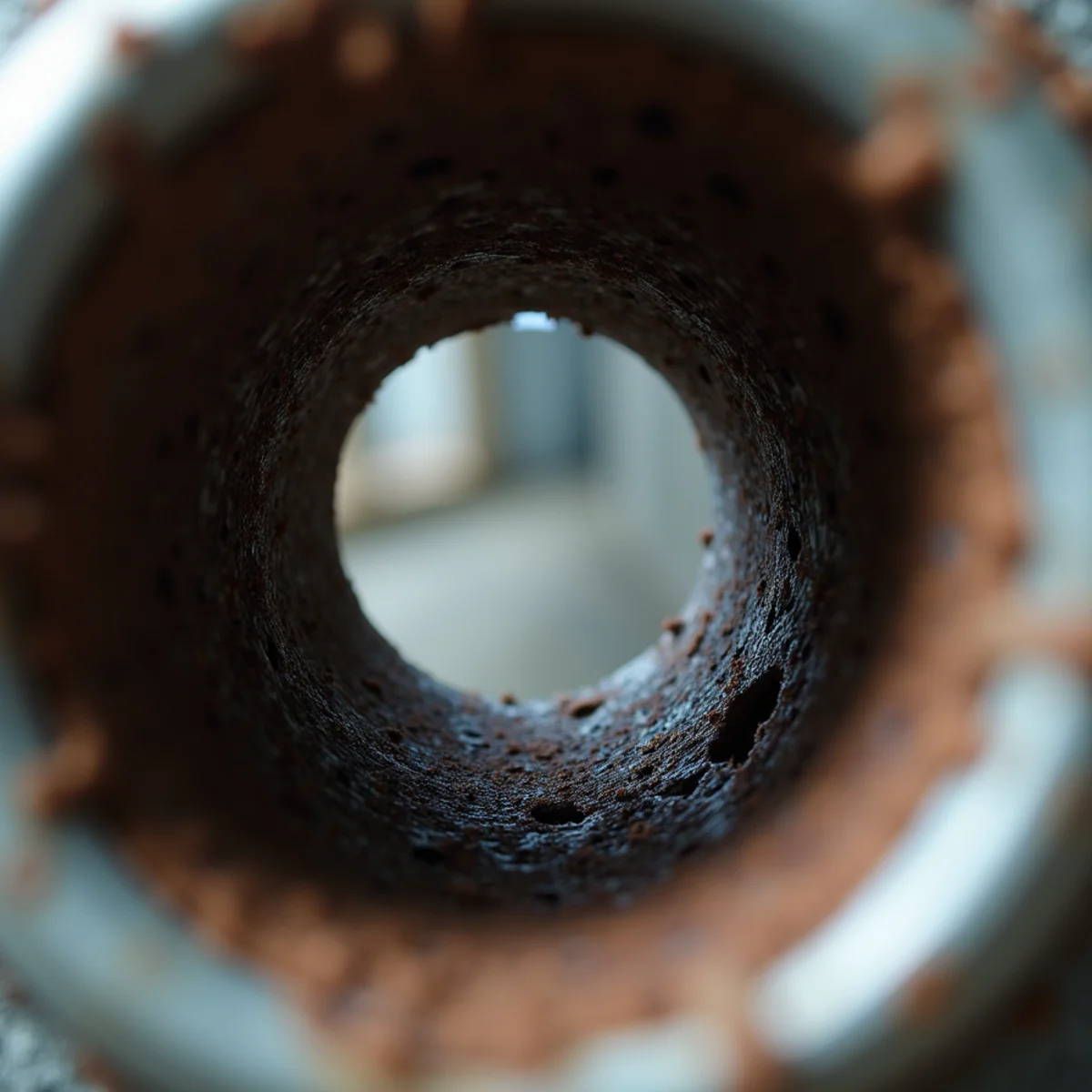
Homes built prior to the 1970s often contain galvanized iron pipes. Over decades, mineral deposits and rust build up inside the pipe (known as tuberculation), narrowing a 3/4-inch pipe down to the diameter of a pencil. The only permanent fix is whole-house repiping with Uponor PEX-A.
2. Failing Pressure-Reducing Valve (PRV)
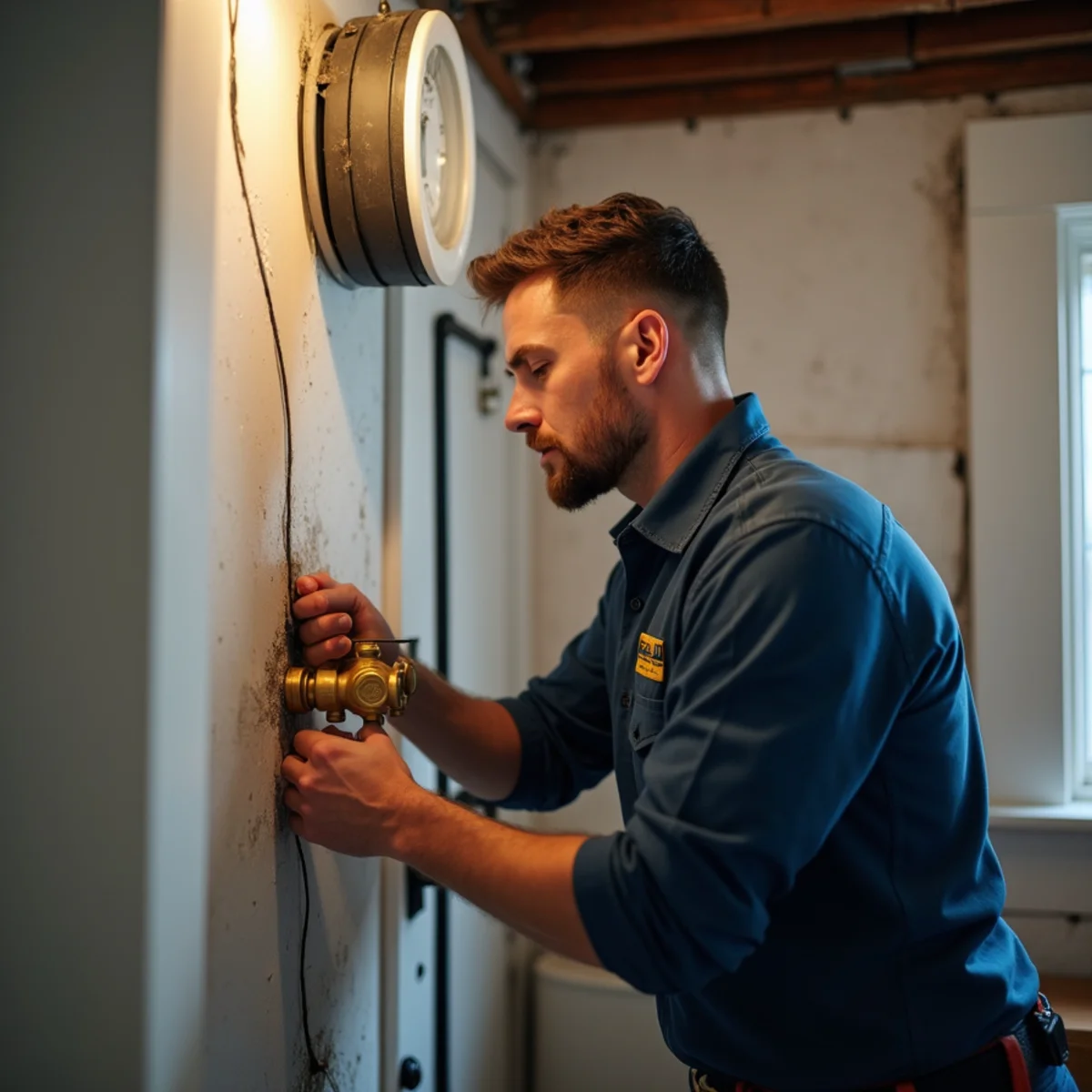
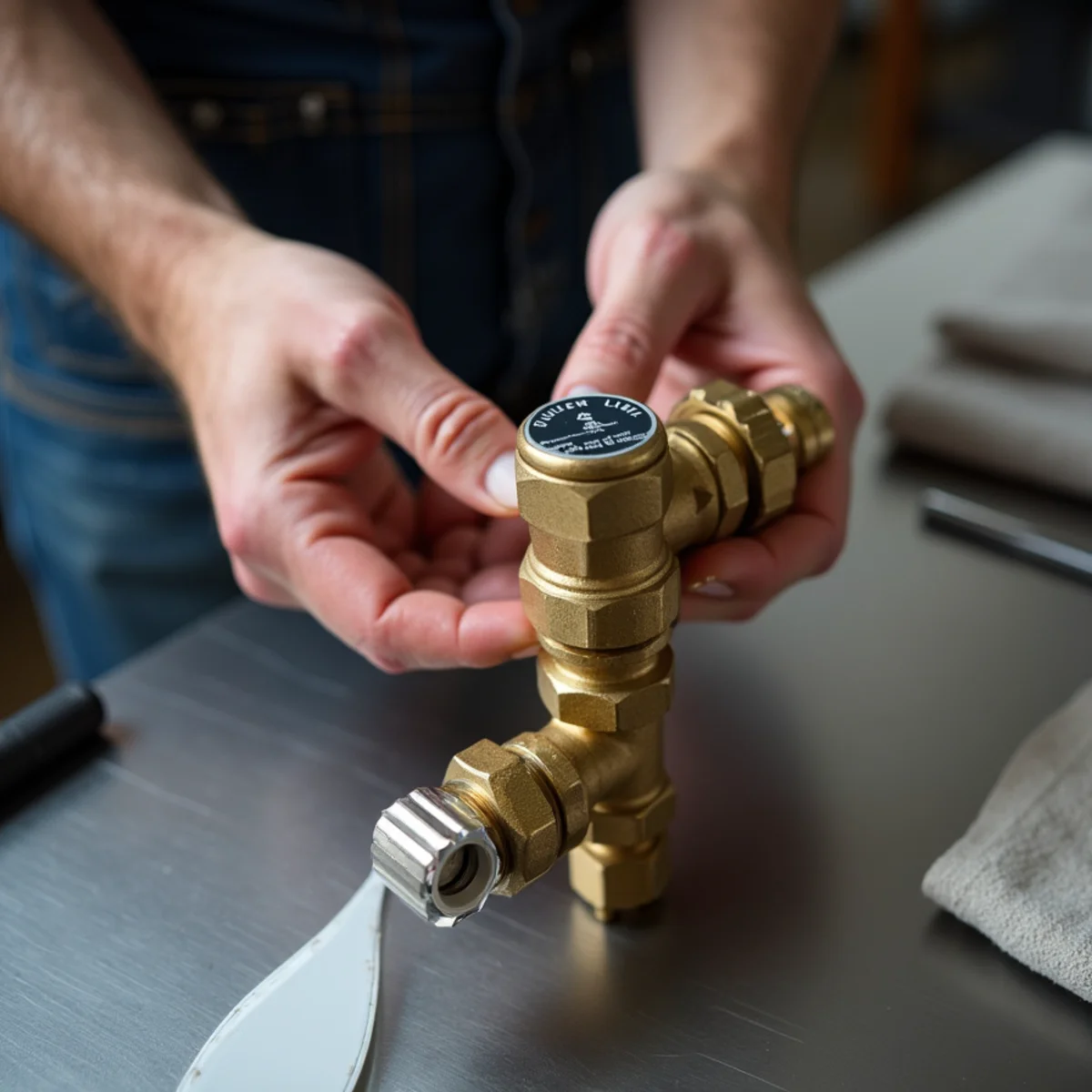
In towns with high municipal water pressure (such as Trumbull, Naugatuck, and Norwalk), homes have a brass PRV installed near the main meter. When the internal rubber diaphragm or spring fails, whole-house water pressure can suddenly drop below 30 PSI.
3. Hidden Water Supply Line Leaks
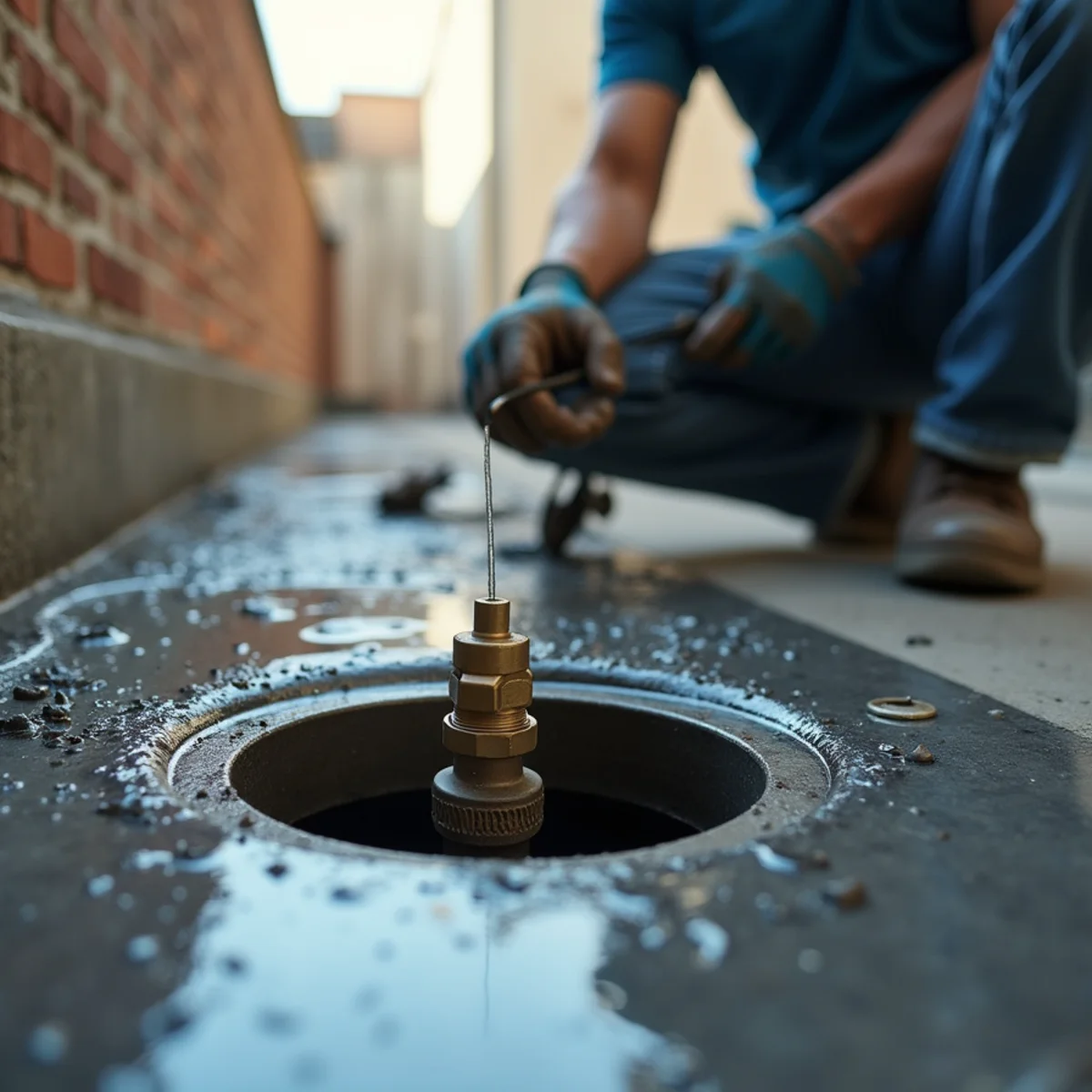
A pinhole leak in a copper line beneath a concrete slab or in an exterior yard service lateral allows pressurized water to escape continuously, lowering dynamic pressure at your faucets.
4. Partially Closed Main Shutoff Valve

Following a repair or meter check, gate valves can become stuck partially closed, restricting total incoming volume.
5. Mineral Scale in Water Heaters & Fixture Aerators
Hard water calcium deposits clog showerhead aerators, thermostatic shower cartridges, and the hot water outlet nipple on storage water heaters.
6. Well Pump & Pressure Tank Bladder Issues
In rural properties (Weston, Easton, Monroe), a waterlogged pressure tank or failing 30/50 PSI pressure switch causes dramatic pressure swings.
7. Municipal Water Main Supply Restrictions
Occasionally, Aquarion or municipal utility maintenance or an undersized 1/2-inch lead/copper street service lateral restricts incoming flow.
In Connecticut, residential plumbing systems face severe challenges from glacial till soil movement, fluctuating coastal water tables along Long Island Sound, and harsh winter subzero freezes. Our licensed P-1 technicians always recommend ASTM-rated pipe materials, full thermal expansion control, and dielectric isolation on mixed-metal connections to maximize system longevity.
Need Professional Plumbing Help in Connecticut?
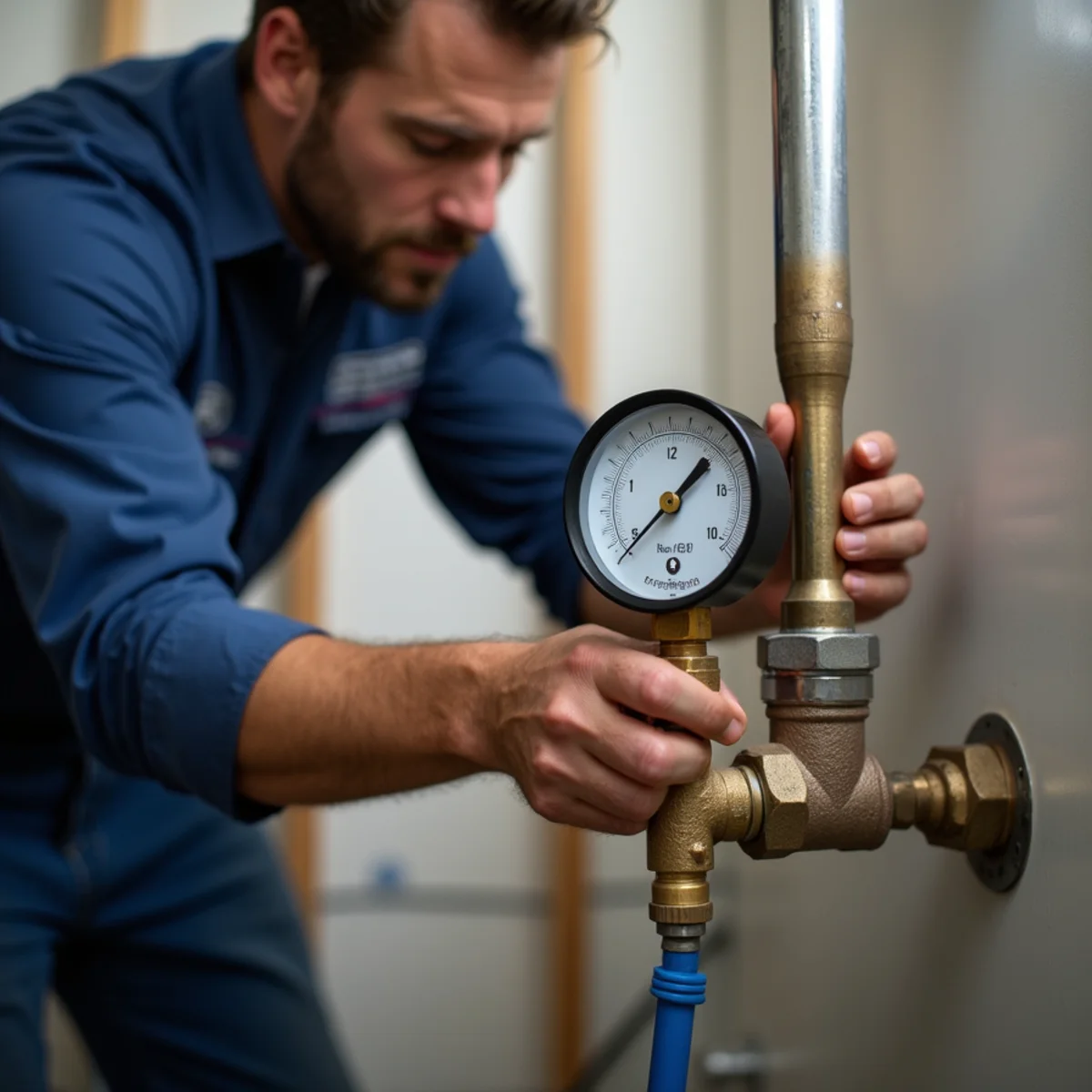
Westport Pro Plumbing & Drain performs whole-house static and dynamic pressure diagnostics using digital pressure gauges and ultrasonic leak detectors. Call (831) 290-4327 to restore full water pressure.
Frequently Asked Questions
How does Connecticut building code apply to this plumbing issue?↓
All residential and commercial plumbing installations in Connecticut must comply with the 2022 Connecticut State Building Code (incorporating the 2021 International Plumbing Code). Repairs involving gas lines, water heaters, and whole-house repiping require licensed P-1 contractors and municipal permits.
Can I attempt to repair this plumbing problem myself?↓
While basic fixture unclogging or replacing a toilet flapper is suitable for handy homeowners, any pressurized water line, hidden sewer leak, or gas piping should only be serviced by a licensed Connecticut P-1 master plumber to prevent catastrophic flood damage or code violations.
How quickly can Westport Pro Plumbing respond to an urgent issue?↓
Our mobile service trucks are dispatched from 162 Kings Hwy N in Westport and arrive across Westport, Norwalk, Fairfield, and surrounding Fairfield County towns in under 60 minutes for active plumbing emergencies.
Speak with a Westport Master Plumber
Get immediate answers, schedule service, or request an upfront written quote.