Why Pipes Freeze in Connecticut Homes (and How to Stop It)
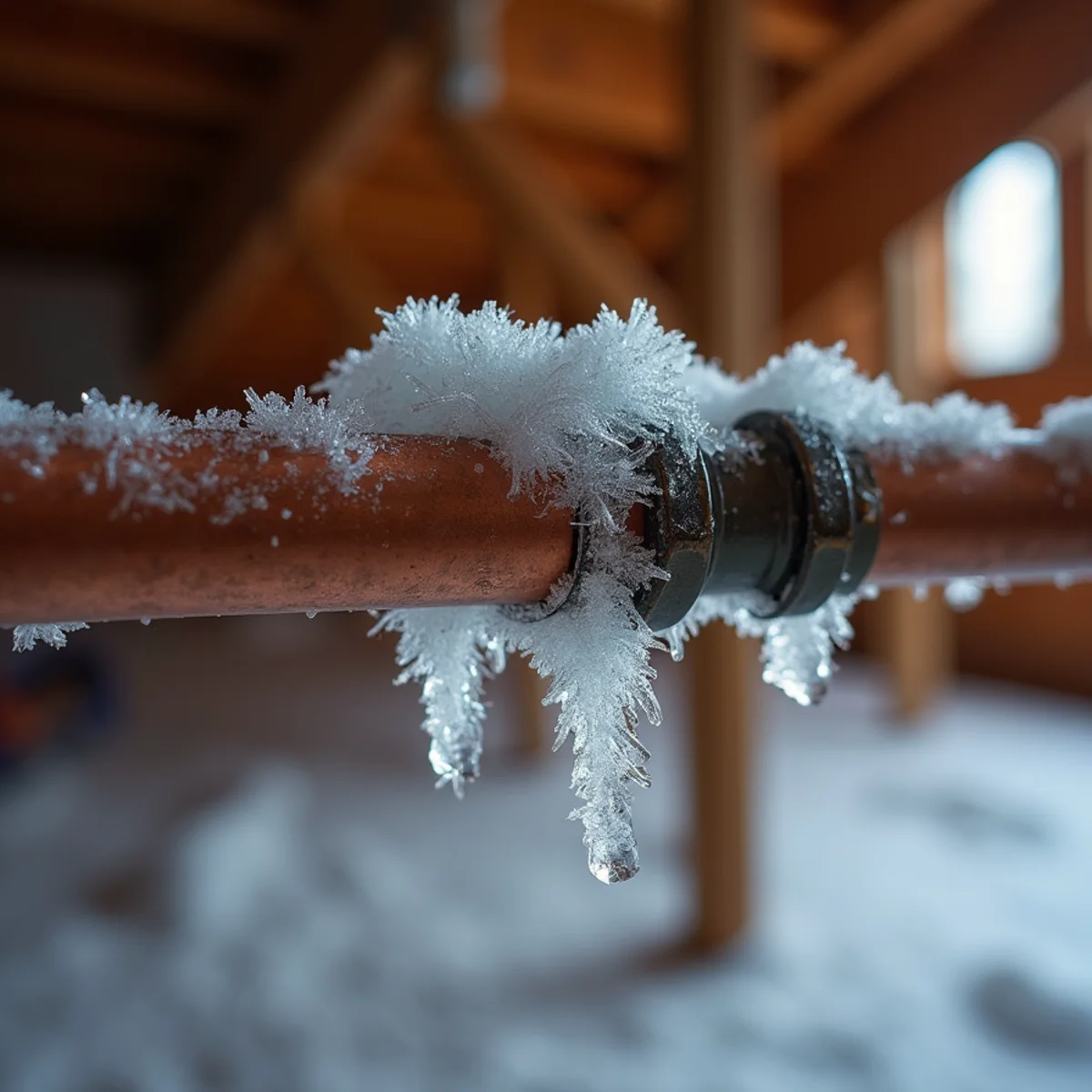
Every winter across Connecticut—from coastal towns like Westport and Fairfield to the colder hills of Ridgefield and Torrington—temperatures plunge into the single digits. When outside temperatures drop below 20°F (-6°C) for several consecutive hours, unprotected water supply pipes are at severe risk of freezing solid.
Understanding why pipes freeze and why they burst allows homeowners to take proactive steps before the first arctic blast arrives.
The Physics of Freeze Ruptures: Why Pipes Actually Burst
Contrary to common belief, a pipe rarely ruptures at the exact spot where ice forms. When water freezes, it expands volumetrically by approximately 9%. As ice expands inside the rigid copper or CPVC pipe, it creates a solid ice plug that blocks water flow.
Water trapped between the frozen ice blockage and a closed indoor faucet becomes pressurized. As the ice blockage continues growing, it compresses this trapped liquid water, elevating hydraulic pressure inside the line from a normal 60 PSI to over 3,000 PSI until the metal pipe wall fractures open.
The 4 High-Risk Vulnerability Zones in Connecticut Homes
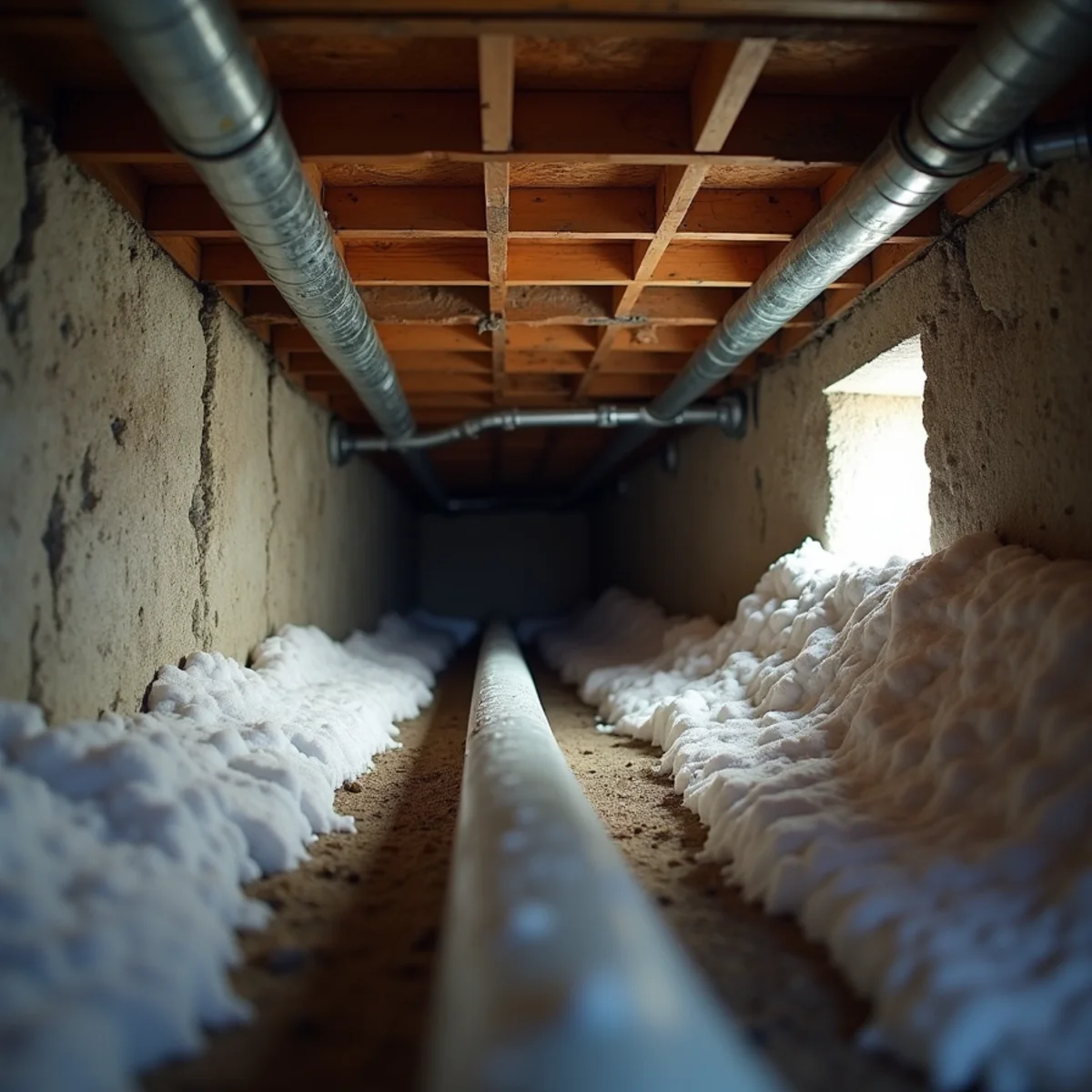
Connecticut's architectural heritage includes historic 18th-century colonials, 1950s capes, and modern ranches. Certain structural design features create natural freezing vulnerabilities:
- Exterior Rim Joists and Uninsulated Cantilevers: Pipes routed to second-floor master bathrooms through cantilevered floor overhangs or along exterior northern foundation walls.
- Drafty Unconditioned Crawl Spaces & Attics: Supply lines passing through unheated crawl spaces or cathedral ceiling knee walls lacking continuous vapor and thermal barriers.
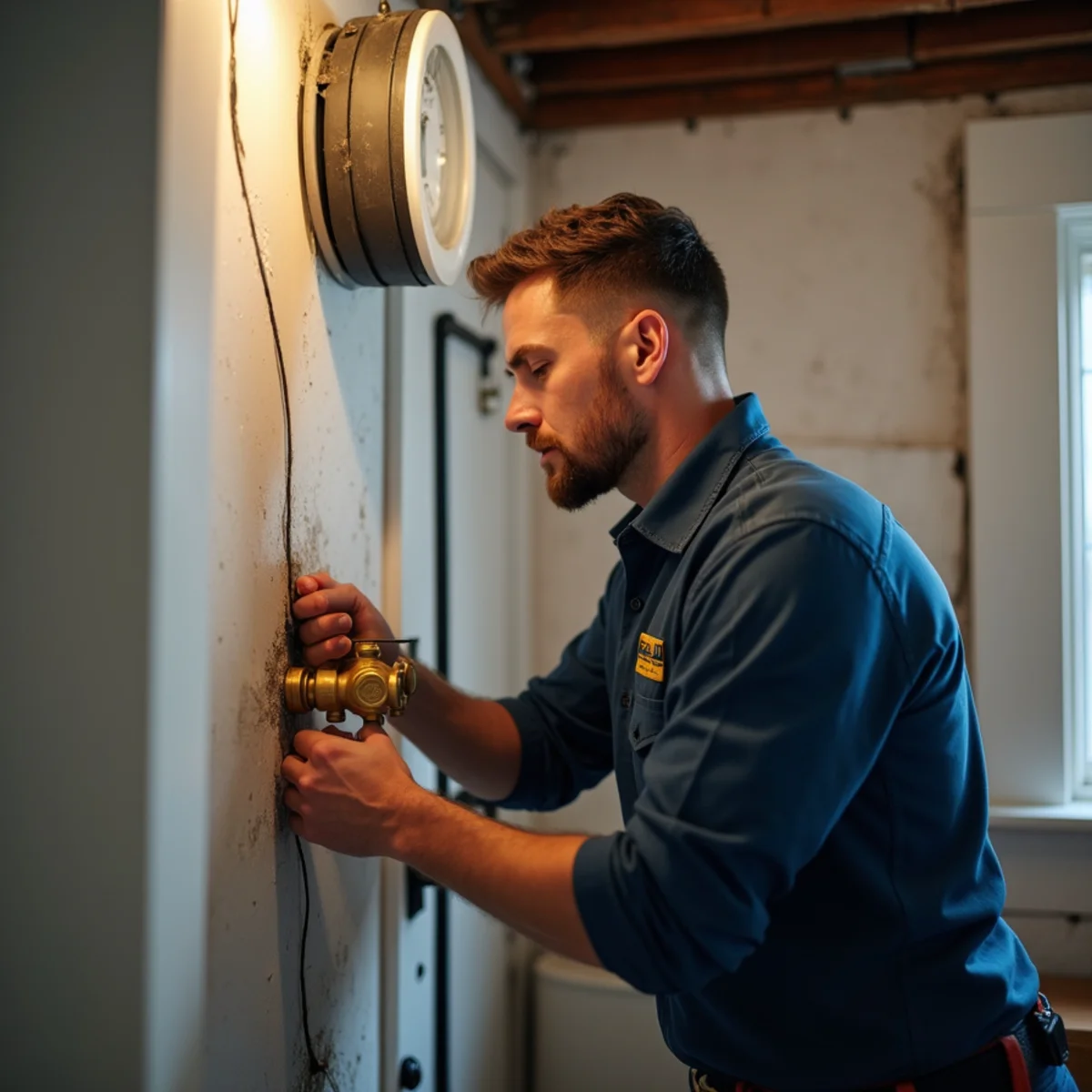
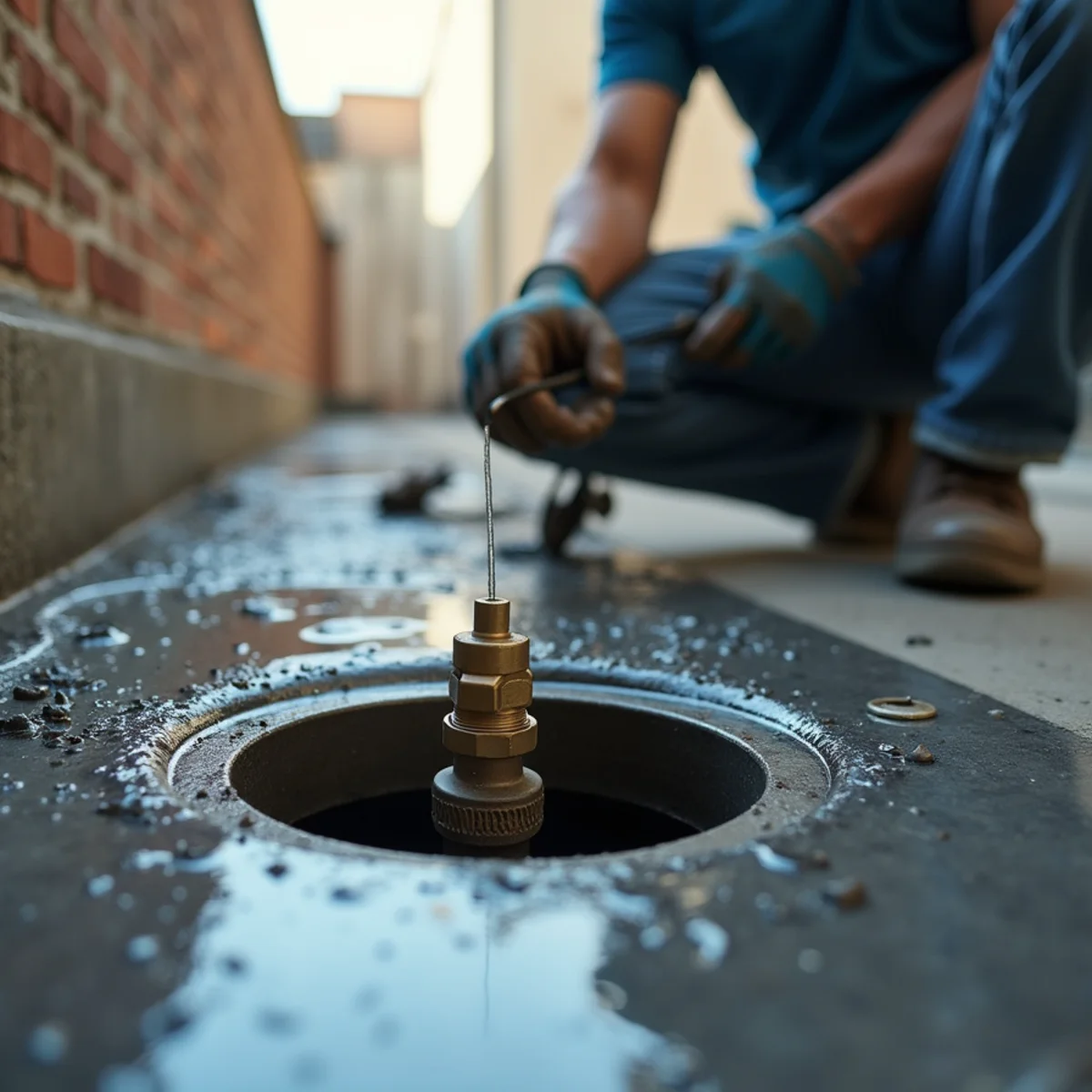
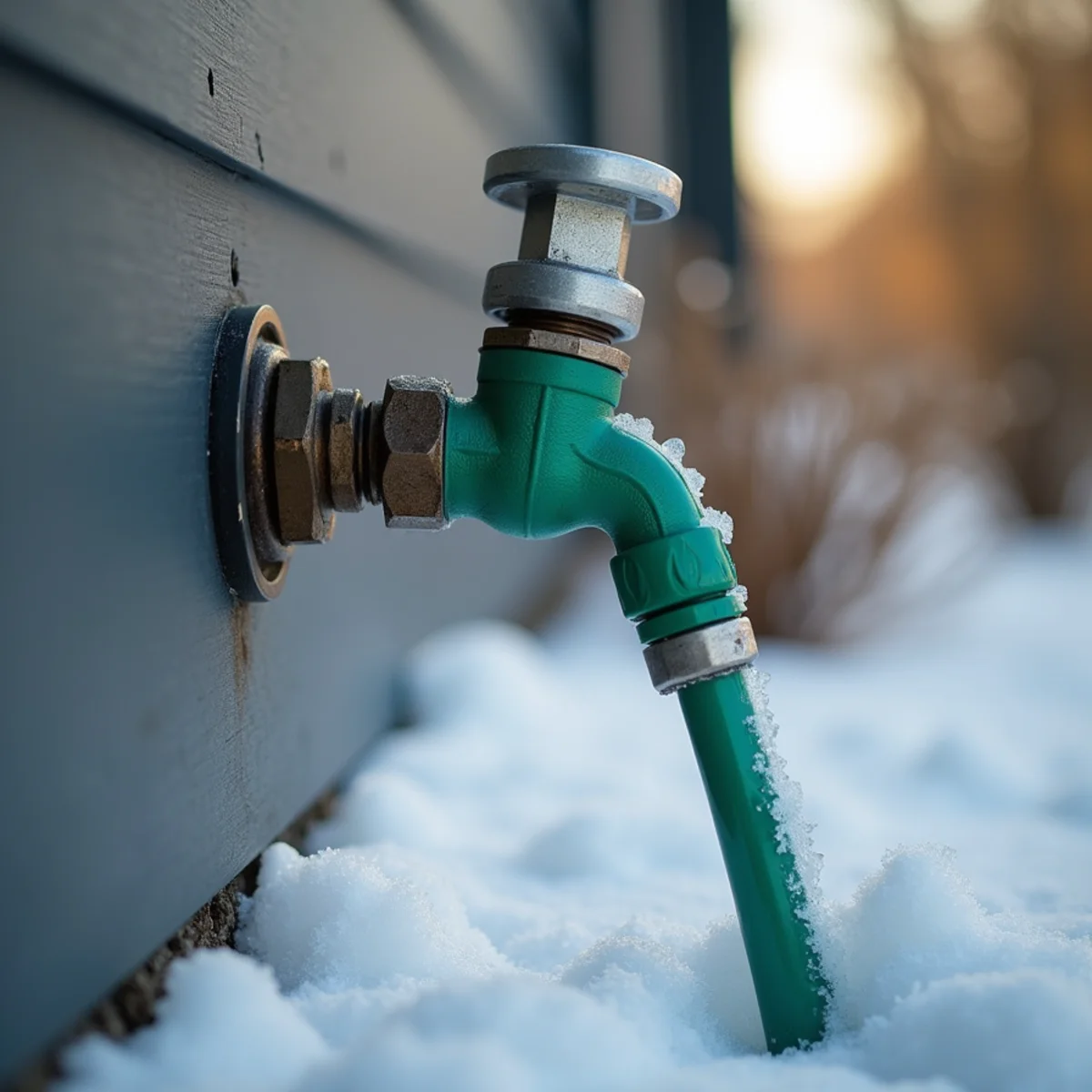
- Outdoor Hose Spigots (Sillcocks): Standard exterior hose bibbs left connected to garden hoses trap water inside the foundation wall, freezing and bursting the interior brass valve body.
- Under-Sink Cabinets on Exterior Walls: Closed kitchen or vanity cabinet doors blocking heated room air from circulating around water supply stops.
Professional Plumber Tactics to Stop Freeze Disasters
Implementing these licensed plumber recommendations will keep your water flowing even when temperatures drop to -10°F:
- Maintain Constant Heating: Never set your indoor thermostat lower than 65°F during severe cold snaps, even if traveling.
- Let Faucets Trickle: Open taps served by exterior-facing walls to a slight, continuous drip. Moving water prevents ice crystals from forming a solid pressure seal.
- Open Vanity & Cabinet Doors: Allow warm ambient home air to circulate freely around under-sink piping.
- Install Closed-Cell Foam Insulation: Wrap exposed basement, attic, and crawlspace pipe runs with pre-slit elastomeric polyethylene insulation sleeves.
- Upgrade to Frost-Proof Sillcocks: Replace standard spigots with 10- or 12-inch anti-siphon frost-free sillcocks that place the actual shutoff seat deep inside your heated basement.
In Connecticut, residential plumbing systems face severe challenges from glacial till soil movement, fluctuating coastal water tables along Long Island Sound, and harsh winter subzero freezes. Our licensed P-1 technicians always recommend ASTM-rated pipe materials, full thermal expansion control, and dielectric isolation on mixed-metal connections to maximize system longevity.
Need Professional Plumbing Help in Connecticut?
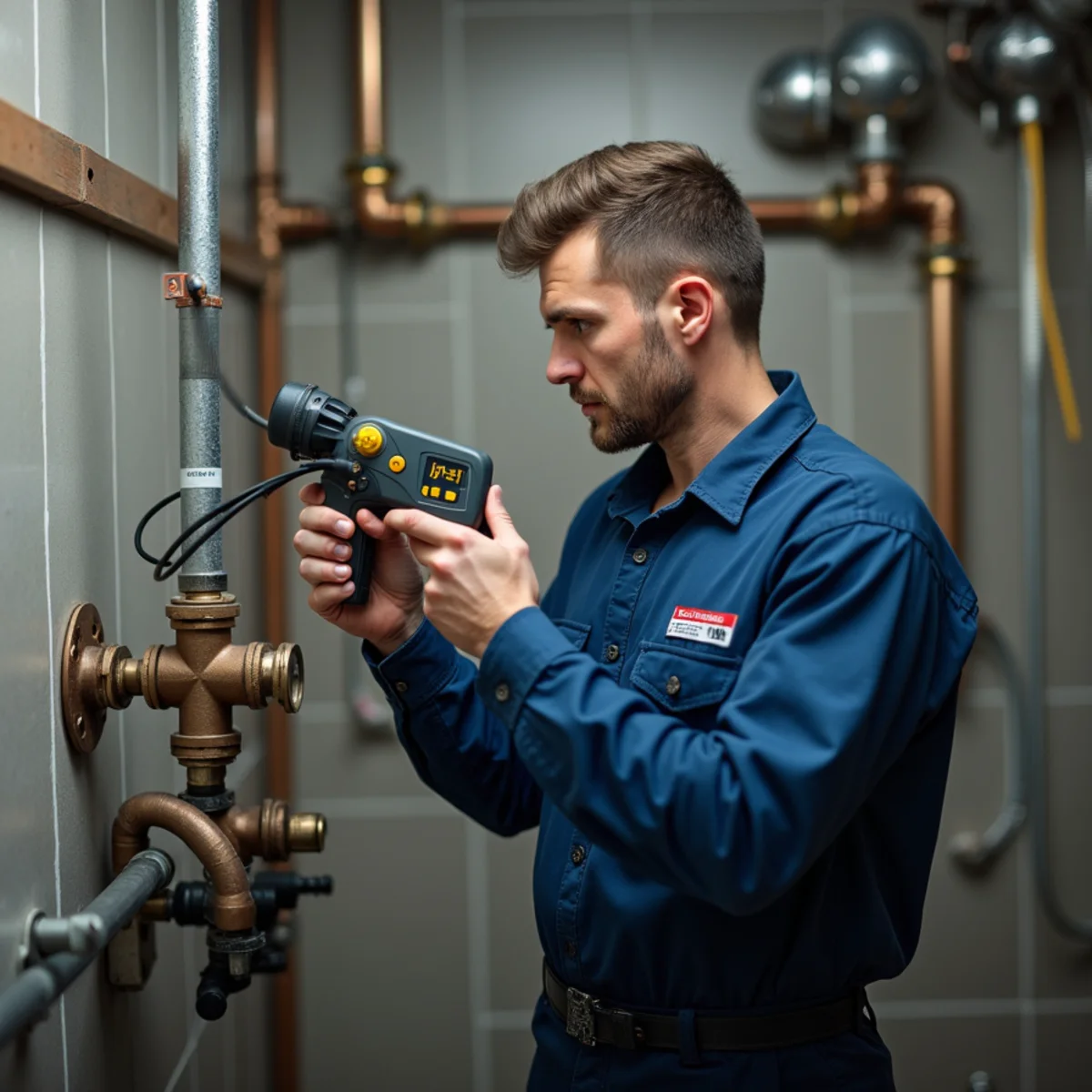
If you turn on a faucet and only a few drops emerge during freezing weather, your pipes are likely frozen. Do not attempt to thaw them with open flame torches. Call Westport Pro Plumbing & Drain at (831) 290-4327 for safe, low-voltage electric thawing and pipe protection.
Frequently Asked Questions
How does Connecticut building code apply to this plumbing issue?↓
All residential and commercial plumbing installations in Connecticut must comply with the 2022 Connecticut State Building Code (incorporating the 2021 International Plumbing Code). Repairs involving gas lines, water heaters, and whole-house repiping require licensed P-1 contractors and municipal permits.
Can I attempt to repair this plumbing problem myself?↓
While basic fixture unclogging or replacing a toilet flapper is suitable for handy homeowners, any pressurized water line, hidden sewer leak, or gas piping should only be serviced by a licensed Connecticut P-1 master plumber to prevent catastrophic flood damage or code violations.
How quickly can Westport Pro Plumbing respond to an urgent issue?↓
Our mobile service trucks are dispatched from 162 Kings Hwy N in Westport and arrive across Westport, Norwalk, Fairfield, and surrounding Fairfield County towns in under 60 minutes for active plumbing emergencies.
Speak with a Westport Master Plumber
Get immediate answers, schedule service, or request an upfront written quote.