Does Homeowners Insurance Cover Water Damage in CT?

Water damage is the single most common property insurance claim in Connecticut, yet many homeowners are confused about what their policy covers. A policy might cover thousands of dollars for a burst radiator pipe, yet deny a claim for basement seepage during a coastal storm.
Here is what Connecticut homeowners need to know about insurance coverage, exclusions, policy riders, and proper documentation.
The Golden Rule: 'Sudden and Accidental' vs. 'Gradual'

Insurance policies in Connecticut hinge on whether the water damage event was sudden or gradual:
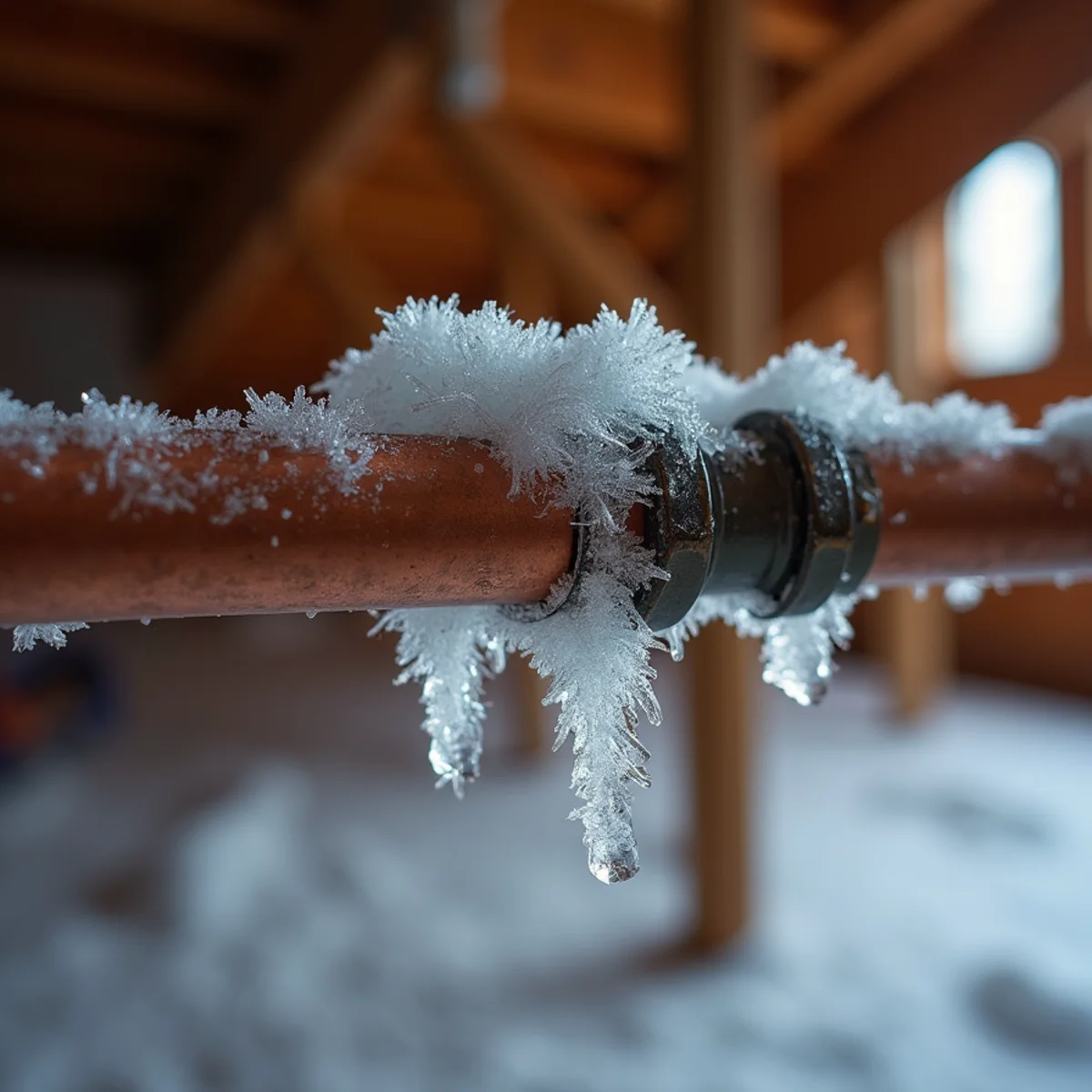
- COVERED (Sudden & Accidental): A pipe bursts overnight due to freezing, a water heater tank ruptures, a washing machine supply hose splits, or a dishwasher valve cracks.
- EXCLUDED (Gradual / Maintenance): A slow leak behind a shower that dripped for 8 months causing rot, neglected roof leaks, or failing pipe joints that were ignored.
- SPECIAL RIDER REQUIRED (Sump / Sewer Backup): Raw sewage backing up from city mains or water overflowing a failed sump pump requires a specific 'Water Backup' endorsement.
- SEPARATE POLICY REQUIRED (Overland Flooding): Coastal tidal surges, overflowing rivers (Saugatuck, Housatonic), or surface runoff entering foundation windows requires a separate FEMA National Flood Insurance Program (NFIP) policy.
How to Document Your Claim for Maximum Payout
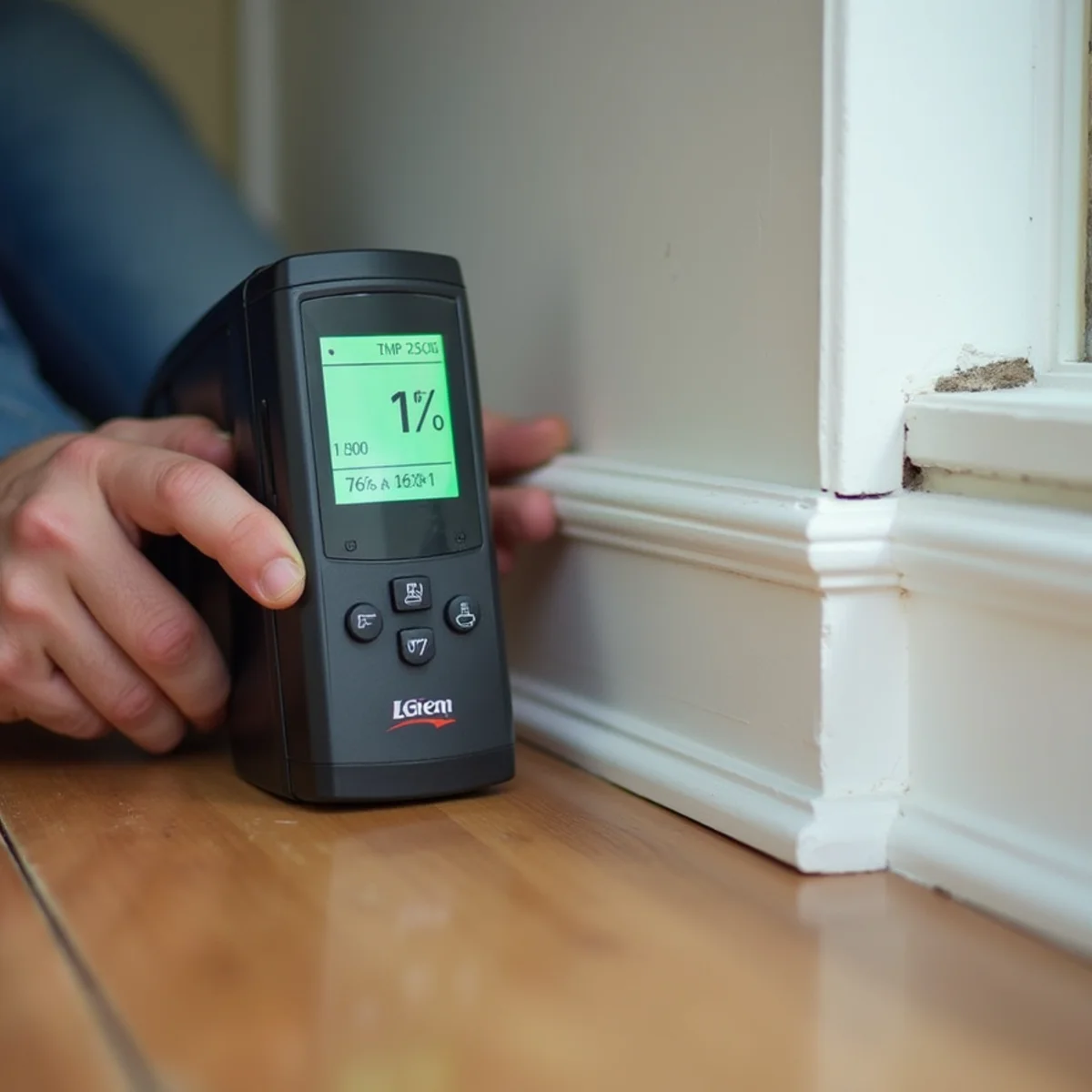
When dealing with insurance adjusters, objective proof is everything. Follow these critical steps:
- Do Not Throw Away the Broken Part: Save the ruptured pipe section, cracked valve, or failed water heater component for adjuster inspection.
- Take 30+ High-Resolution Photos & Videos: Capture the source of the leak, water depth lines, and every damaged furnishing.
- Request a Professional Cause-of-Loss Report: Our licensed plumbers provide written statements confirming the failure was sudden and mechanical.
- Begin Mitigation Drying Within 24–48 Hours: Insurance requires you to take reasonable steps to prevent secondary mold damage.
In Connecticut, residential plumbing systems face severe challenges from glacial till soil movement, fluctuating coastal water tables along Long Island Sound, and harsh winter subzero freezes. Our licensed P-1 technicians always recommend ASTM-rated pipe materials, full thermal expansion control, and dielectric isolation on mixed-metal connections to maximize system longevity.
Need Professional Plumbing Help in Connecticut?
Westport Pro Plumbing & Drain works directly with all major Connecticut insurers. We provide ANSI/IICRC S500 compliant documentation to ensure your claim is processed quickly and accurately.
Frequently Asked Questions
How does Connecticut building code apply to this plumbing issue?↓
All residential and commercial plumbing installations in Connecticut must comply with the 2022 Connecticut State Building Code (incorporating the 2021 International Plumbing Code). Repairs involving gas lines, water heaters, and whole-house repiping require licensed P-1 contractors and municipal permits.
Can I attempt to repair this plumbing problem myself?↓
While basic fixture unclogging or replacing a toilet flapper is suitable for handy homeowners, any pressurized water line, hidden sewer leak, or gas piping should only be serviced by a licensed Connecticut P-1 master plumber to prevent catastrophic flood damage or code violations.
How quickly can Westport Pro Plumbing respond to an urgent issue?↓
Our mobile service trucks are dispatched from 162 Kings Hwy N in Westport and arrive across Westport, Norwalk, Fairfield, and surrounding Fairfield County towns in under 60 minutes for active plumbing emergencies.
Speak with a Westport Master Plumber
Get immediate answers, schedule service, or request an upfront written quote.